
Plenary Speakers
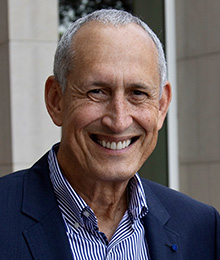
Prof. Pedro Alvarez
Director, Nanotechnology-Enabled Water Treatment (NEWT) Center
Director, Rice WaTER Institute
Department of Civil and Environmental Engineering
Rice University, Houston, TX, US
Presentation Title:
Merits and Limitations of Various Advanced Oxidation Processes for PFAS Degradation
Presentation abstract:
Per- and polyfluoroalkyl substances (PFAS) are an expansive class of over 15,000 highly persistent, synthetic toxic chemicals that are polluting water and soil all over the world. In the US, the U.S. Environmental Protection Agency (USEPA) just promulgated unprecedentedly stringent drinking water maximum contaminant limits (MCL) that reflect their perceived toxicity and bioaccumulation potential. Specifically, the USEPA set drinking water standards for six compounds: perfluorooctanoic acid (PFOA) and perfluorooctane sulfonic acid (PFOS) at 4 ng/L, perfluorohexanesulfonic acid (PFHxS), perfluorononanoic acid (PFNA), and Hexafluoropropylene oxide dimer acid (HFPO-DA, GenX) at 10 ng/L, and a Hazard Index of 1 for mixtures containing two or more of PFHxS, PFNA, GenX, and perfluorobutane sulfonate (PFBS). Currently, China’s Standards for Drinking Water Quality (GB5749-2022) allow 80 ng/L of PFOA and 40 ng/L of PFOS. Furthermore, the EU plans to regulate total organofluorine (TOF) as a whole. Meeting these standards will require the development of new cost-effective treatment technologies for many different types of PFAS with a wide range of chemical compositions and unique and poorly understood interfacial properties. In this talk, we will review the mechanisms associated with PFAS degradation by various advanced oxidation processes, including photocatalytic, electrocatalytic, photo-Fenton treatment, discern the importance of various reactive species, and discern their merits and limitations.
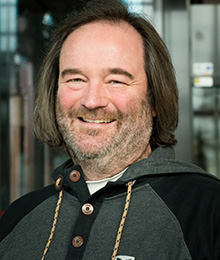
Prof. Werner Brack
Co-Head, Department Exposure Science
Acting Head, Department Environmental Analytical Chemistry
Helmholtz Centre for Environmental Research UFZ
Presentation Title:
Toxic Chemical Mixtures in Global Water Resources. Initiative for a Global Chemical Monitoring and Assessment.
Presentation abstract:
Environmental pollution with toxic chemical mixtures is part of the triple crisis on a global scale and it has been proposed that Planetary Boundaries are exceeded. There is clear evidence that chemical pollution is one of the drivers of biodiversity loss and jeopardise human health. Thus, enhanced efforts on chemical monitoring are required. Large scale monitoring and assessment of chemical pollution faces the problem that often only a very limited and diverging number of chemicals is considered and that for big parts of the world chemical monitoring data are lacking completely. The presentation will provide insights into continental scale chemical mixture screening and footprint assessment in Europe using a consistent screening approach. Based on this experience chemical mixture assessment has been extended to a planetary scale. To this end, a novel cheap and robust sampling technique has been developed to allow for monitoring of mixtures of hundreds of pesticides, pharmaceuticals and many industrial chemicals also under challenging conditions. A Global Chemical Monitoring Network (GloCheM) has been established involving particularly partners from Africa, Asia and South America to reduce existing data gaps. In a pilot study, water bodies from 30 countries from all continents have been sampled, analysed and assessed by the network. First results on chemical pollution on a global scale, risk drivers and regional and land-use related patterns will be presented.
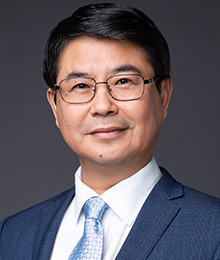
Prof. Jianmin Chen
Distinguished Professor
Director, Shanghai Key Laboratory of Air Quality and Environmental Health
Department of Environmental Science and Engineering, Institute of Atmospheric Sciences
Fudan University, Shanghai, China
Presentation Title:
Evolution of Nitroaromatics and Tire Antioxidants in Aerosol and Clouds
Presentation abstract:
Nitroaromatic compounds (NACs) are an abundant class of compounds in atmospheric particulate matter, exerting considerable impacts on air quality, climate, and public health. We found that particulate-phasenitroaromatics were notably affected by relative humidity (RH) in field observations. Smog chamber and theoretical calculations clariffed that water clusters (WCs), formed from gaseous water, can notably lower reaction energy barriers along the NACs formation pathway, rendering this pathway competitive under atmospheric conditions. Substituted p-phenylenediamines (PPDs) as a series of NACs found in areosol, soil, water and clouds are widely employed as antioxidant additives in rubber products, particularly in tire manufacturing, to delay oxidative degradation of tires. We systematically investigated the occurrence, chemical composition, transformation behaviors, and influencing factors of PPDs and PPD-Qs in PM 2.5 during the summer from 2018 to 2024 in urban Shanghai, which is a representative megacity in eastern China. 7 parent PPDs and 6 corresponding PPD-Qs were selected for quantitative analysis. The concentrations of individual PPDs and PPD-Qs ranged from 45.7 to 1580 and 83.9 to 1130 pg/m3, respectively. Both the total concentration of PPDs (ΣPPDs) and that of PPD-Qs (ΣPPD-Qs) exhibited significant interannual increases. In cloud water collected in at Tianmu Mountain (1151 m a.s.l.), China, from Apr. 7 to Sept. 26, 2024, the concentrations of PPD ranged from 3.02 to 43.69 ng/L, markedly exceeding those of their transformation products (PPD-Qs, 0.21 − 11.45 ng/L). PPDs exhibited greater accumulation in water-insoluble organic matter (WISOM) than in water-soluble organic matter (WSOM), with enrichment factors ranging from 1.13 to 1.88, indicating a stronger tendency for particle-phase partitioning. Precipitation processes were found to influence the oxidative conversion of PPDs to PPD-Qs. The findings provide critical insights and establish a baseline for future ecological and human health risk assessments.
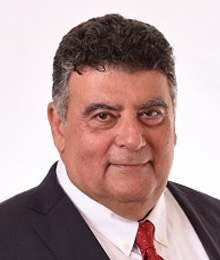
Prof. Nicolas Kalogerakis
Professor Emeritus
School of Chemical and Environmental Engineering
Technical University of Crete, Chania, Crete, Greece
Presentation Title:
Challenges in combatting microplastic pollution in the marine environment
Presentation abstract:
Plastic debris represents a significant problem among the various pollution problems facing the marine environment.
Several studies have been conducted on the fate and weathering of plastics in the marine environment including the generation and fate of microplastics.
Sorption by microplastics of toxic substances present in seawater represents an additional environmental concern.
Laboratory results on the biodegradation of plastics show great variability. An important question, which remains unanswered, is what is the level of weathering that makes the common plastics, in particular those with a C-C backbone, biodegradable at a reasonably fast rate.
Is Natural Attenuation a potential biodegradation route that allows us to hope for clean oceans? In this presentation, we focus on the determination of biodegradation and fragmentation rates of polystyrene and polyethylene films naturally weathered on beach sand as well as polypropylene films weathered in seawater mesocosms.
Results from 300-day long field experiments in Souda Bay (Crete, Greece) are also presented. Our findings are very encouraging pointing to new challenges that need to be addressed for a successful biodegradation of plastics in the marine environment as well as significant advances in the context of circular economy.
Prof. Frank Kelly
Battcock Chair in Community Health and Policy
School of Public Health – Faculty of Medicine
Imperial College, London, UK
Presentation Title:
Existing and emerging air pollution challenges to human health
Presentation abstract:
Air pollution is a worldwide problem and since air pollutants are expensive to control, a strong scientific understanding is required to underpin mitigation policies aimed at reducing the burden on public health. Much of the evidence concerning hazard identification and risk quantification related to air pollution comes from epidemiological studies. However, as urban air pollution is increasingly influenced in many localities by household biomass combustion (Lelieveld et al, Nature 2015;525:367–71), wildfires (Jaffe et al, Environ Sci Technol 2008;42:2812–8) and desert dust storms (Tamamura et al, Atmos Environ 2007;41:2580–93) an improved understanding of the mechanistic pathways evoked is required to infer causality. Taking each in turn, appropriate measures to protect populations will involve advocating smart cities and addressing economic and behavioural barriers to sustained adoption of clean stoves and fuels. Like all natural hazards, wildfires and dust storms are a feature of the landscape that cannot be removed. However, emission containment (land/fire management practices), exposure avoidance and identifying susceptible populations can be taken to prepare for air pollution episodes and ensure people are out of harm’s way when conditions are life-threatening. Communities residing in areas affected by unhealthy concentrations of airborne particles will benefit from optimum communication via public awareness campaigns, designed to empower people to modify behaviour in a way that improves their health as well as the quality of the air they breathe.
Prof. Chris Le
Distinguished Professor
Director, Analytical and Environmental Toxicology Division
Department of Laboratory Medicine and Pathology, Faculty of Medicine and Dentistry
University of Alberta, Edmonton, Alberta, Canada
Presentation Title:
Innovative techniques and molecular assays for microbial pathogens of health concern
Presentation abstract:
Our research program addresses challenges in persistent toxic chemical substances, such as arsenic, as well as microbial pathogens. This presentation will focus on molecular detection (diagnostics) and environmental monitoring (wastewater-based surveillance) of microbial pathogens of health concerns, such as influenza (H5N1), monkeypox, SARS-CoV-2, Streptococcus pyogenes, Staphylococcus aureus, and their variants. We integrated isothermal amplification of nucleic acids with CRISPR techniques for the detection of specific nucleic acid targets of microbial pathogens. The exponential amplification of nucleic acids at a constant temperature improved the detection sensitivity and minimized the requirement for laboratory equipment. Integration of a CRISPR-Cas12 or CRISPR-Cas13 system with isothermal amplification techniques improved detection specificity. CRISPR-Cas systems recognized specific sequences of amplicons and differentiated them from byproducts of amplification reactions. The trans-cleavage activity of Cas12 and Cas13 systems, with their multiple turnover enzyme kinetics, resulted in repeated cleavage of nucleic acid signaling reporters. We demonstrated the generation of amplified readout signals, including colorimetric (visual), electrochemical, fluorescence, and permeability, potentially amenable for field applications. We successfully applied these assays to rapid and sensitive detection of microRNA, viral RNA, and DNA of specific pathogens. The specimens included nasopharyngeal swab, saliva, gargle, skin wounds, and wastewater. The techniques are applicable to the detection of antibiotic resistance genes. This research demonstrates analytical potential for diagnostics and surveillance of emerging pathogens. It also helps improve health equity by identifying the unmet diagnostic needs of marginalized populations and developing effective assays that bridge the gaps.

Dr. Serenella Sala
Head of Unit
European Commission
Joint Research Centre
Directorate D – Sustainable Resources, Sustainable Supply Chains and Bioeconomy Unit (D3)
Ispra (VA), Italy
Presentation Title:
Designing the Future: Implementing the safe and sustainable by design chemicals framework for a Toxic-Free Economy
Presentation abstract:
The European Green Deal (EGD) outlined a transformative vision for a climate-neutral and toxic-free environment. Central to this ambition is the Chemical Strategy for Sustainability (CSS), which mandates a shift toward chemicals and materials that are Safe and Sustainable by Design (SSbD) across their entire life cycles. To operationalize this, the European Commission’s Joint Research Centre (EC-JRC) has developed a comprehensive framework for defining SSbD criteria and evaluation procedures, integrating environmental and human risk assessment with sustainability assessment based on life cycle assessment and its application to chemicals and materials.
This pioneering framework integrates safety, environmental sustainability, and socio-economic dimensions into a single rational procedure for the first time. By embedding life cycle thinking into the earliest stages of Research and Development (R&D), the framework ensures that sustainability is not an afterthought but a foundational requirement. Testing of the framework included numerous case studies to define alternative to POPs and to accompany innovation addressing safety and sustainability at a very early stage, while considering competitiveness aspects .
This work directly supports the recent European Commission (EC) Recommendation for a harmonized SSbD assessment framework (1). As the EC enters a dedicated testing phase, academic and stakeholder feedback remains the backbone for refining these scientific methods. This presentation discusses the lessons learnt fromcase studies and the critical actions needed to ensure SSbD becomes the standard for global chemical safety.
Keynote Speakers
Dr. Davide Degli Esposti
Director
Cesare Maltoni Cancer Research Centre, Ramazzini Institute, Bologna, Italy
Presentation Title:
Contribution of experimental studies for understanding the toxicity of chemical substances: a personal One Health perspective
Presentation abstract:
In recent years, the number of compounds produced by the chemical industry has grown to exceed three hundred thousand registered chemicals and mixtures. Around one third of these are traded extensively across the world, and their use, dispersion and disposal can contaminate soils, freshwater, the oceans and the entire biosphere. Epidemiological and ecological studies have revealed correlations between certain anthropogenic sources of pollution and their impact on human and ecosystem health. However, these studies’ ability to identify causal relationships between chemical contamination and individual or population health is often limited by confounding factors or design constraints. Furthermore, by the time these studies can establish a clear link between exposure and health outcomes, the effects have already impacted thousands of humans and a significant number of other species.
Model species play a key role in acquiring fundamental knowledge of physiology and biology. This knowledge provides the basis for establishing and performing toxicological and ecotoxicological bioassays to assess the impact of environmental contaminants. However, phylogenetic distance and differences in key physiological traits between species present in diverse environments to be preserved support the development of new bioassays based on multiple sentinel species across the diversity of the tree of life. Furthermore, thanks to advances in high-throughput nucleic acid sequencing and mass spectrometry, our knowledge of the molecular mechanisms underlying vertebrate and invertebrate biology and physiology has expanded. This knowledge is essential for understanding the mechanisms of action of environmental contaminants, and the intelligent combination of long-term toxicity bioassays with effect-based mechanistic approaches is required to develop a predictive framework in toxicology and ecotoxicology.
In this talk, I will present the results of various experimental approaches that I have employed to study the effects of chemical contamination on organisms and ecosystems. These approaches span a diversity of animal models (from mammals to crustaceans), biological levels of organisation (from proteins to individuals), exposure conditions (from short-term to chronic) and adverse outcomes (from reprotoxicity to cancer). I will discuss the importance of maintaining a broad perspective and avoiding reductionist shortcuts to improve our understanding of, and ability to take action against, the effects of chemical contamination. Some of the great challenges of environmental toxicology and exposomics research, such as tackling the effects of diffuse, low-dose, chronic exposures to mixture of contaminants, will be also presented and discussed.
Prof. Abraham Esteve Núñez
Department of Analytical Chemistry, Physical Chemistry and Chemical Engineering
University of Alcalá, Alcalá, Spain
Presentation Title:
New trends for sustainable removal of emerging pollutants: giving water a safe second life
Presentation abstract:
Electrobioremediation is an emerging branch of biotechnology that uses electrochemical methods to improve the biodegradation capabilities of microorganisms. Wastewater has been the primary testing environment for Microbial Electrochemical Technologies (MET), which address the common limitation of low electron acceptor availability by providing an electrode to receive electrons from pollutant metabolism.
So far, the most prominent electrobioremediation approach in wastewater treatment is the METfilter® system, which incorporates electrochemical principles into constructed wetlands. This hybrid design uses conductive carbon-based materials to boost microbial pollutant oxidation and drastically reduces the footprint—requiring as little as 50 m² to treat wastewater from 1000 people. The system has been developed into modular, plug-and-play units that can also treat industrial wastewater from sectors such as oil & gas, food & beverage, and pharmaceuticals.
Micropollutants like pharmaceuticals often resist breakdown in conventional biological treatment. Electrobioremediation overcome this limitation by linking microbial respiration to solid electron acceptors (e.g., electrodes) during pollutant metabolism. METfilters have effectively removed micropollutants in horizontal flow setups, and notably enabled stereoselective biodegradation of compounds like propranolol. Effluent detoxification was confirmed using bioassays with Daphnia magna and Raphidocelis subcapitata.
The enhanced degradation of complex pollutants may stem from unique microbial synergies within the conductive bed. A redox-interconnected community can optimize metabolic resource use and facilitate electron exchange, promoting oxidation or reduction of diverse functional groups.
A modular METfilter system has been successfully piloted for removing high pharmaceutical loads from real industrial wastewater at a production facility. Performance results will be presented and discussed.
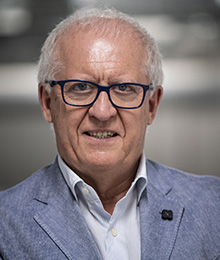
Prof. Antonio Marcomini
Department of Environmental Sciences, Informatics and Statistics
University of Venice Ca’ Foscari, Venice, Italy
Presentation Title:
From long to short and ultrashort chain PFAS in the environment: sources, trends and implications for human health
Presentation abstract:
Poly- and perfluoroalkyl substances (PFAS) are a large group of highly fluorinated synthetic chemicals (+/- 5000) with excellent thermal and chemical stability. These chemicals have been used as polymers, surfactants, stain repellents, and flame retardants in several products such as carpets, leather paper, textiles, fire-fighting foams (FFF), and are still used in many industrial applications and consumer products, e.g., coatings, food packaging. PFAS are ubiquitous in the environment due to discharges from various sources such as manufacturing and processing industries, military areas, wastewater treatment plants, and landfills. The Stockholm Convention (SC) on Persistent Organic Pollutants (POPs) included perfluorooctanesulfonic acid (PFOS), perfluorooctanoic acid (PFOA), perfluorohexanesulfonic acid (PFHxS), their salts and related products, on the restriction and elimination list in 2009, 2019 and 2022, respectively. Environmental monitoring showed the ubiquitous occurrence of PFAS in air, water, and soil, as well as in plants and wildlife, even in remote regions (e.g. the Arctic). Also, human biomonitoring studies revealed the widespread occurrence of PFAS in blood samples. This led to restrictions and phase-out of long-chain PFAS in the EU, like perfluorooctanesulfonic acid (PFOS in 2006) and perfluorooctanoic acid (PFOA in 2020) and other C9 to C14 perfluoroalkyl acids (PFAA in 2023). As result, there was a shift in industrial production to short-chain PFAS (PFBA, PFBS) and to substitutes such as per- and polyfluoroalkyl ether carboxylic acids (GEN X, C6O4). Again, environmental persistence, mobility and effects on human health raise concerns. Therefore, more than ever, knowledge is required about identities, production volumes and use areas of PFAS to support research on their environmental input and fate, as well as their effects on ecosystems and human health. Recent regulatory actions (e.g. Directive (EU) 2020/2184, EFSA TWI, PFAS restriction proposal by ECHA) are based on the group approach. The consensus of removing per- and polyfluoroalkyl substances (PFAS) from the environment is widely recognized and enlightened by the recent near-zero health advisories and new analytical methods, parameters and screening approaches may help in this context with a focus on nontarget screening based on chromatography-high-resolution mass spectrometry.
The presentation will focus especially on short (e.g. PFBA) and ultrashort (e.g. TFA) PFAS by examining occurrence and behavior in wastewater treatment plants (where precursors are not stable and are converted in stable PFAS throughout the wastewater treatment process) and in natural waters (especially those designed for human consumption), transfer to food and environmental risk for human health, past and future time trends.